
Q&A with 2026 IICD SRP Interns
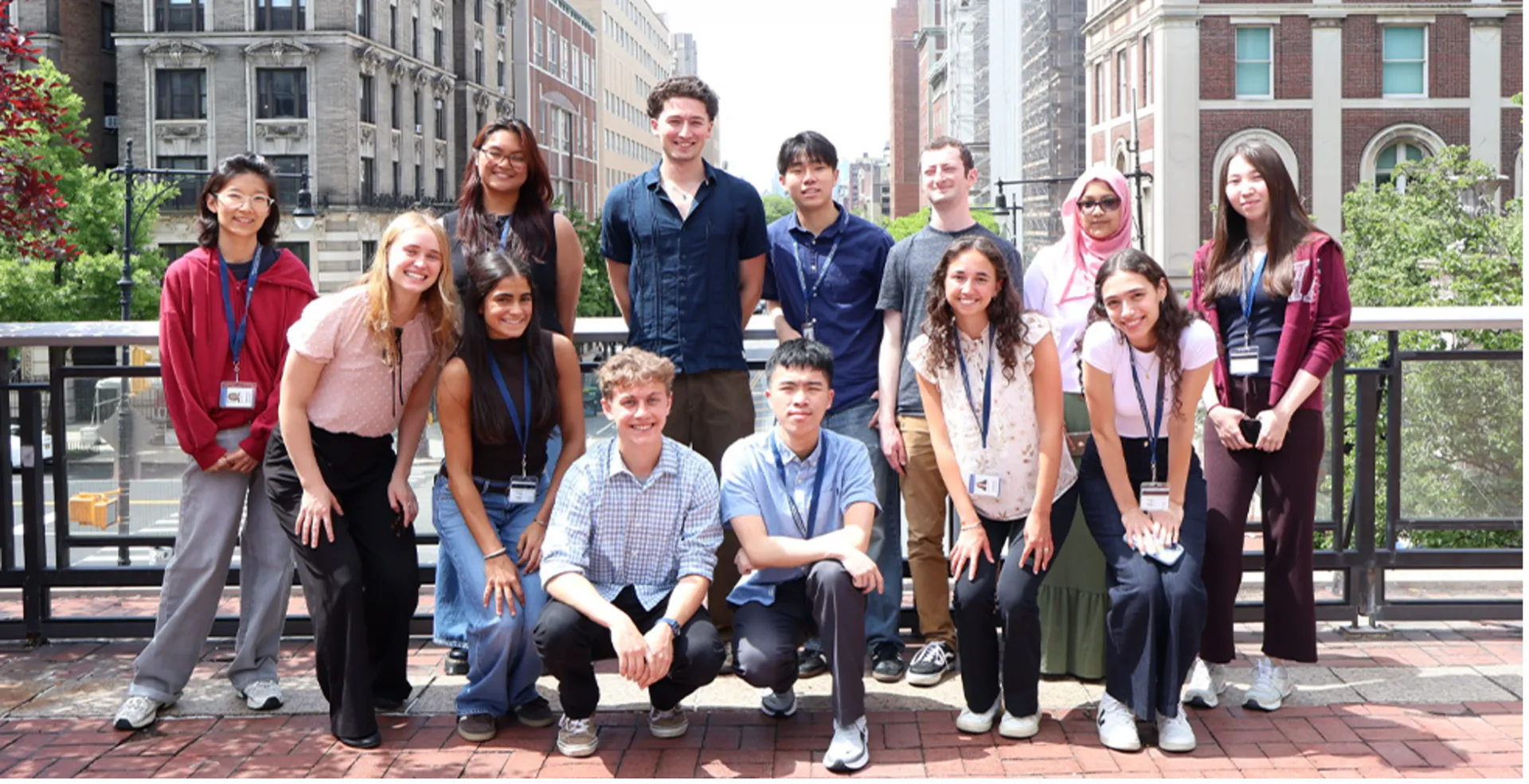
Every summer, IICD brings together exceptional undergraduate students from institutions across the United States to participate in its Summer Research Program. The 2026 cohort includes students pursuing fields ranging from biomedical engineering and biology to mathematics, computer science, and data science. Get to know the interns, learn what inspires their scientific curiosity, and follow their research journeys throughout the summer.
Catch their stories all summer long on X, Instagram, Bluesky, and LinkedIn.
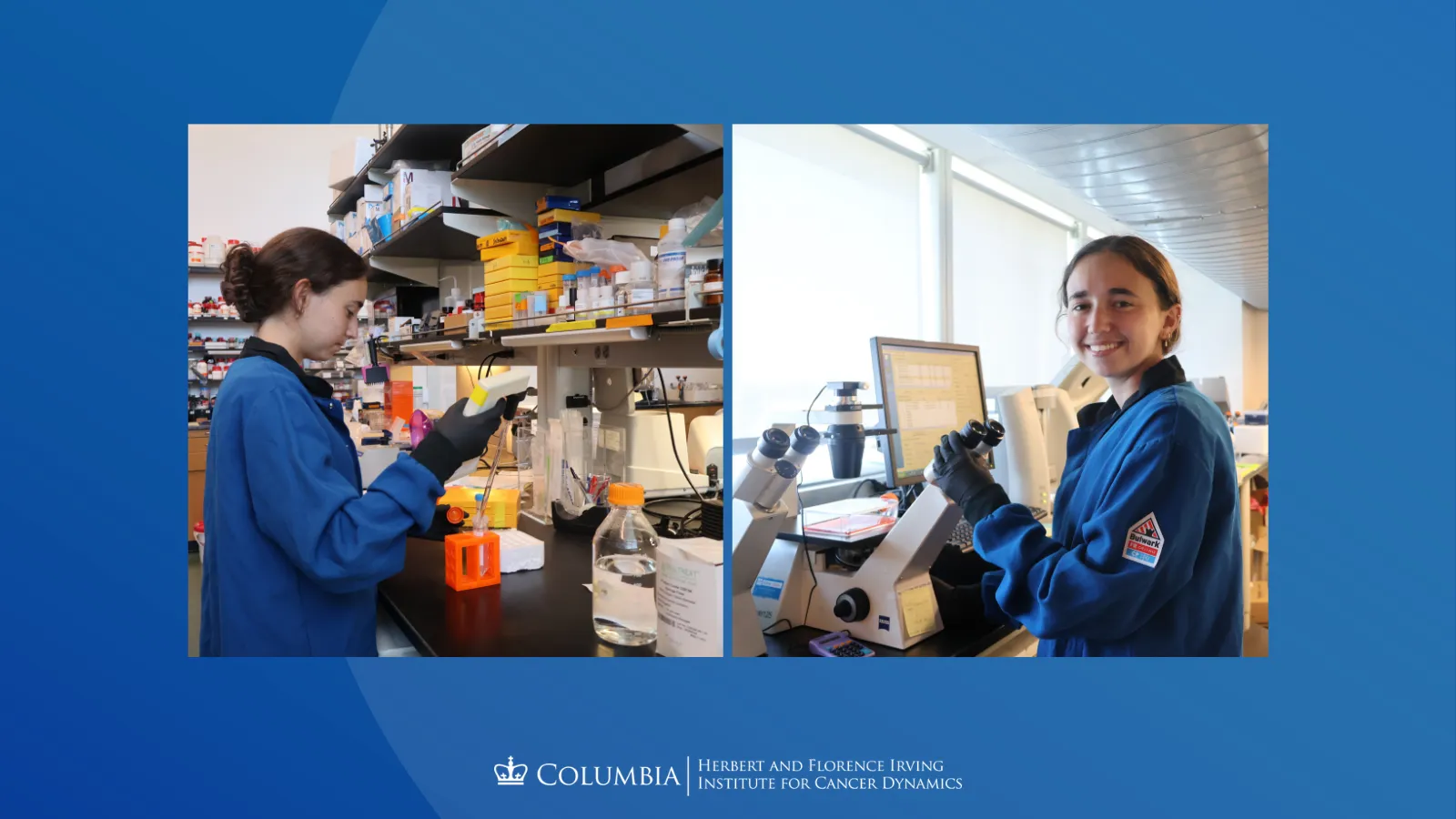
Ally O’Shea is a rising senior majoring in Biomedical Engineering with a Minor in Data Science at the University of Virginia. She is mentored by Drs. Brent Stockwell and Presha Rajbhandari.
1. How did you get interested in science and doing research?
I have been interested in science from a young age and always enjoyed asking questions and learning how things work. What truly sparked my passion for research was watching the documentary Human Nature, which explores the development of CRISPR gene-editing technology. I was fascinated by the idea that scientists could harness a bacterial defense mechanism and transform it into one of the most powerful genome engineering tools in history. Seeing how curiosity-driven discoveries can lead to revolutionary advances in medicine inspired me to pursue science and research. I was especially drawn to the idea that research lays the foundation for novel discoveries, therapies, and technologies. The fact that science is constantly evolving, with new questions, breakthroughs, and opportunities emerging every day, is what continues to excite me about a career in research.
2. What is your favorite thing about science?
My favorite thing about science is the ability to truly follow your curiosity. Science allows you to ask questions that may seem impossible to answer and then work toward understanding them. What excites me most is that researchers are able to pursue questions they are genuinely passionate about, making every day an opportunity to learn something new. Whether it is discovering a new biological mechanism, developing a potential treatment, or creating innovative technologies, I love that science is a field driven by curiosity, discovery, and the desire to expand what is possible.
3. What are your plans after receiving your undergraduate degree?
After completing my undergraduate degree, I plan to pursue a Ph.D. in Biomedical Engineering, ideally with a focus on cancer immunoengineering. I am especially interested in understanding how we can engineer the innate complexity of the human immune system to better recognize and eliminate cancer cells. Through a Ph.D., I hope to contribute to developing new therapeutic strategies while continuing to grow as a researcher. I am excited by the opportunity to specialize deeply in a field I am passionate about and to spend my time immersed in research that challenges me and pushes my thinking. More than anything, I look forward to becoming part of a community of scientists who are all working toward solving complex biological problems and improving patient outcomes.
4. If you could be any scientist, who would it be and why?
If I could be any scientist, I would choose Linda Griffith. I had the opportunity to hear her speak at a Biomedical Engineering conference, and I was genuinely inspired by her passion for advancing women’s health. Beyond that, her work in tissue engineering and organ-on-a-chip technologies has shaped how researchers model disease and test potential treatments in more physiologically relevant ways. What stands out to me most is how she combines engineering innovation, clinical impact, and advocacy, demonstrating how biomedical engineering can be used to address important gaps in healthcare.
5. Tell us a fun fact about yourself.
A fun fact about me is that I can swim the entire 25-meter length of a pool underwater while holding my breath!
6. What do you like to do when you are not in the lab?
Outside of the lab, I love staying active and spending time outdoors. I usually go hiking or running, and I find that being outside helps me reset.
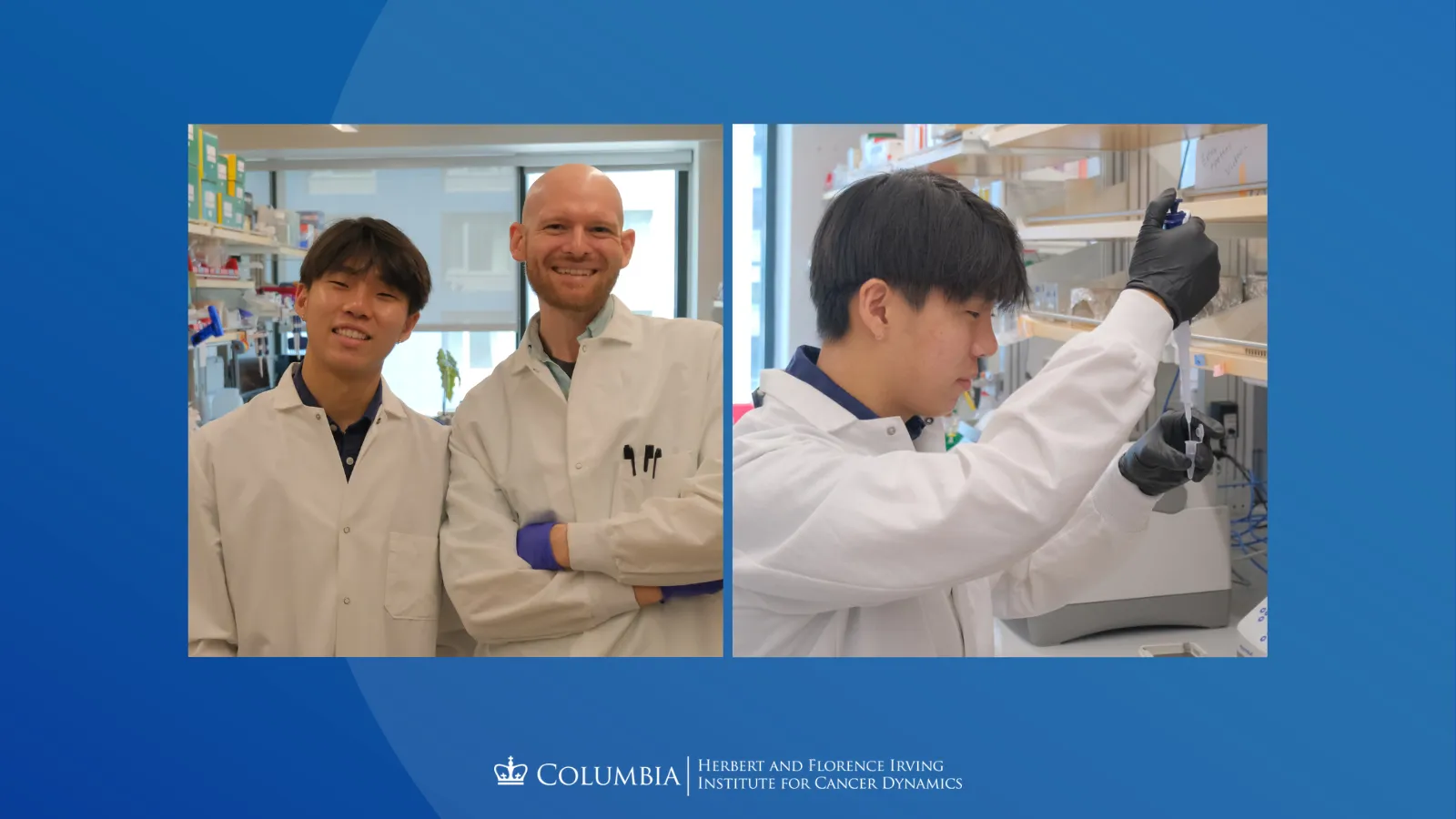
Brandon Kim is a rising junior at Stony Brook University studying Biology with a minor in Spanish. He is mentored by Dr. Sanja Vickovic and PhD candidate Cody Slater.
1. How did you get interested in science and doing research?
Some of my earliest mornings in elementary school weren’t for getting ready–they were for watching SciShow with Hank Green at 6 AM in my living room. I was hooked on how he could take something completely random and make it fascinating and understandable. That curiosity eventually grew from watching videos about “why we can’t tickle ourselves” into culturing cells, running experiments, and asking my own questions. Research clicked for me because it turns curiosity into a structured process where you can methodically test ideas and uncover an answer.
2. What is your favorite thing about science?
What I love most about science is that it tries to make sense of a world that is impossibly complex. The same principles that control galaxies also shape things as small as DNA. I find it exciting that we can zoom in and out of these scales–from everyday phenomena to microscopic systems–and uncover patterns that explain how things work. To me, science is humanity’s way of taking on the daunting mysteries of the universe.
3. What are your plans after receiving your undergraduate degree?
After my undergraduate education, I hope to pursue an MD-PhD or MD. I’m interested in studying how immune systems behave in disease. Ultimately, I hope to bridge clinical care with research to develop more targeted and effective therapies.
4. If you could be any scientist, who would it be and why?
I would choose Dr. Barry Marshall for his determination to challenge deeply rooted scientific paradigms. Despite widespread skepticism, he demonstrated that H. pylori causes stomach ulcers and went as far as experimenting on himself to prove it. His work changed how we treat the main cause of gastric cancer and rightfully earned himself the nobel prize. His kind of persistence is something I find really inspiring.
5. Tell us a fun fact about yourself.
I have a complicated relationship with red and green. So much so that I can’t tell them apart.
6. What do you like to do when you are not in the lab?
Outside of the lab, I like to rock climb. In addition to trying new climbing gyms, it’s fun to climb the boulders of Central Park with friends every once in a while.
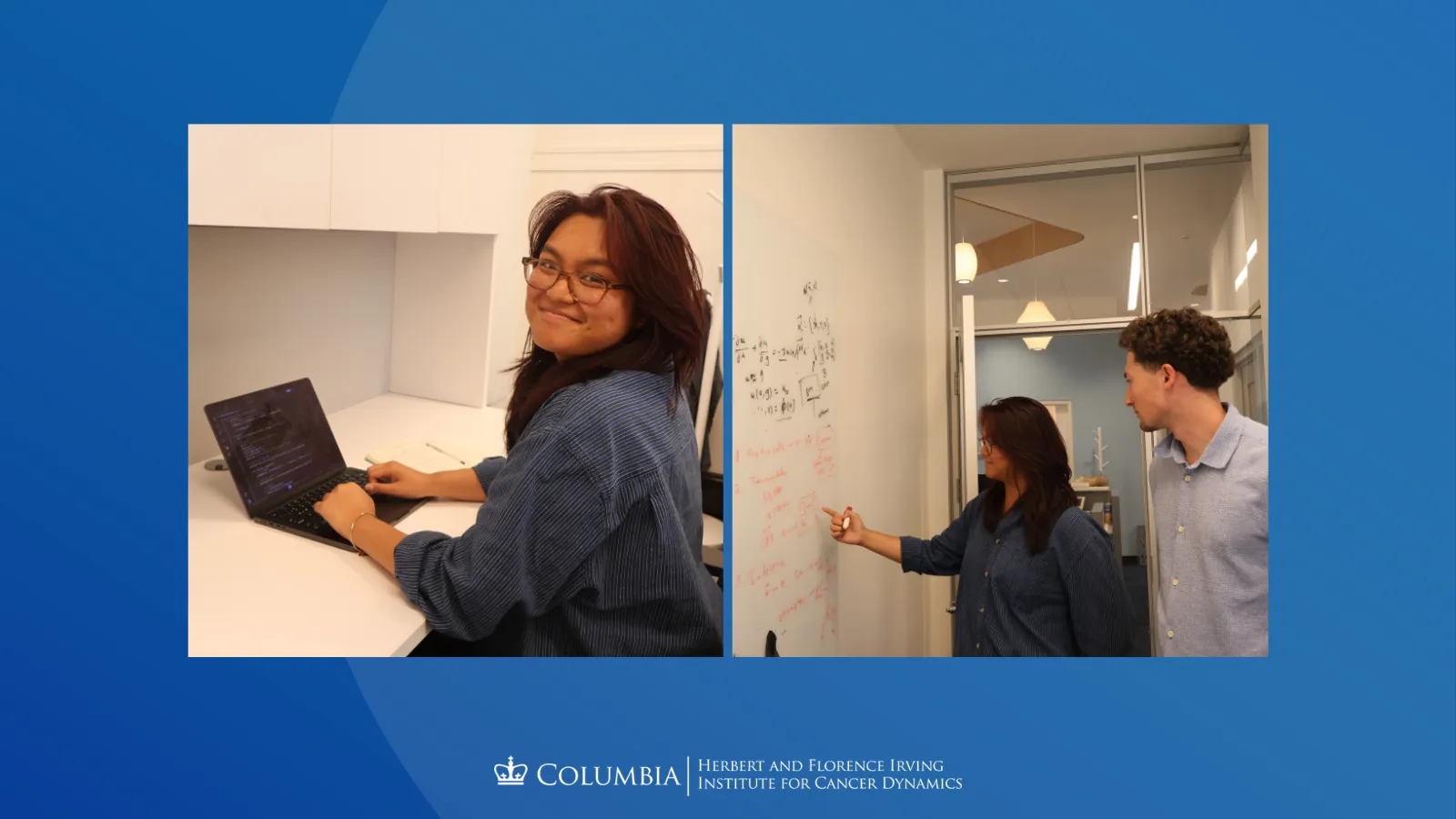
Danielle Justo is a rising senior at Smith College studying Statistical and Data Sciences and Computer Science. She is mentored by Dr. Sanket Rane.
1. How did you get interested in science and doing research?
I’ve always been interested in technology and data generally, but my professors at Smith College definitely inspired me to pursue research. I initially thought that research was competitive and cut-throat. My professors taught me that, on the contrary, research can be collaborative, inclusive, and incredibly rewarding! Their passion for their work and dedication to education is contagious, and I hope to one day inspire students the way they inspired me.
2. What is your favorite thing about science?
My favorite thing about science is the community. I love how scientists are always interested in learning about each other’s work, even if their fields aren’t directly related.
3. What are your plans after receiving your undergraduate degree?
After receiving my undergraduate degree, I hope to continue research through graduate school! I am particularly interested in biostatistics, epidemiology, and public health, and I hope to delve deeper into topics concerning women’s health and LGBTQ+ health.
4. If you could be any scientist, who would it be and why?
If I could choose to be any scientist, I’d probably choose to be my biostatistics professor. When she teaches, you can feel her enthusiasm for statistics. She also does cool research!
5. Tell us a fun fact about yourself.
Many of my family members work in medicine and have encouraged me to do so as well. Wanting to be different, I avoided work that involved medicine and, as a result, discovered my interests in computer science and statistics. Despite my best efforts, I’ve found myself slowly drawn back into biomedical and health-related research. I am having a good time with it now, though!
6. What do you like to do when you are not in the lab?
When I’m not in the lab, I like to read and spend time outdoors. I also enjoy music! I’ve played the guitar for almost 10 years now, exploring different genres like classical, rock, jazz, and more!
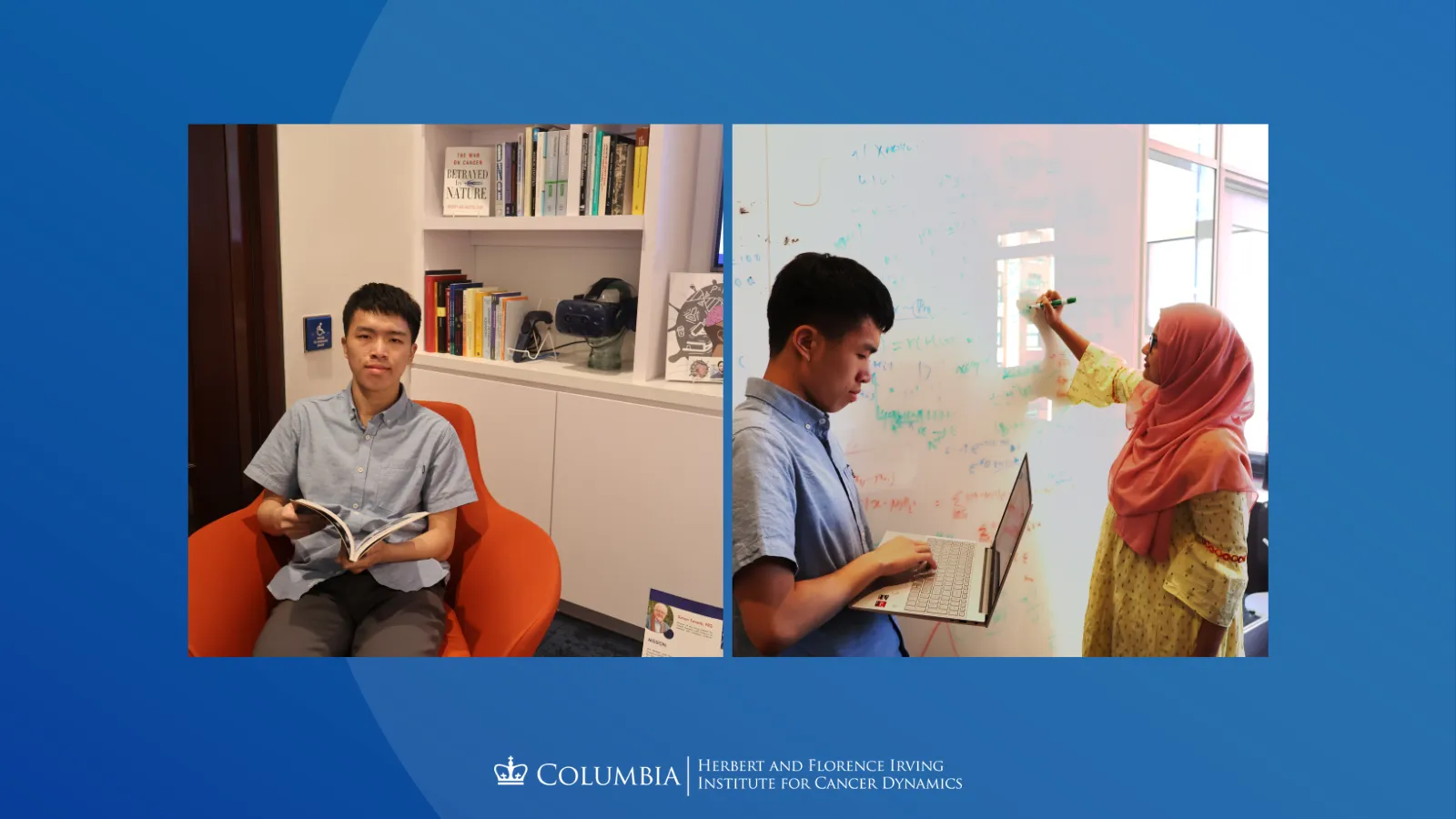
Derrick Ma is a rising senior at Stony Brook University studying Computer Science. He is mentored by Dr. Andrew Blumberg.
1. How did you get interested in science and doing research?
Many of my peers study science and their enthusiasm talking about what they learned in their classes or how their research project was going made me interested in pursuing science myself, even if I didn't major in a science. Their guidance helped me find research programs that would be more tailored for my background but still involve scientific work which is how I discovered this program.
2. What is your favorite thing about science?
My favorite thing about science is how interconnected it is with other disciplines. As someone who primarily studies computer science and mathematics, I find that problems within the sciences fuel innovations in my fields of study and vice versa, making science a field that connects every other field of study.
3. What are your plans after receiving your undergraduate degree?
After receiving my undergraduate degree, I plan on spending some time working as a Software Engineer to gain industry experience and earn money to pursue a Master's degree. I would like to pursue a Master's degree in Data Science as I enjoy learning more advanced mathematics and their applications in tools such as machine learning.
4. If you could be any scientist, who would it be and why?
If I could be any scientist, I would be Ada Lovelace, the woman who is credited for being the first computer programmer. She is someone I have always admired for her novel way of thinking about how computers can be used outside of mathematics. Moreover, she met with many other great mathematicians of her time such as Charles Babbage. Being able to talk with many other great scientists would be just an incredible experience.
5. Tell us a fun fact about yourself.
I once brewed a cup of coffee so atrocious my friends collectively questioned how I was alive after consuming it.
6. What do you like to do when you are not in the lab?
Outside of the lab, I enjoy spending my time playing badminton with friends (even if I am not very good at it). I also enjoy 3D modeling and creating silly toys for myself such as my extendable banana sword.
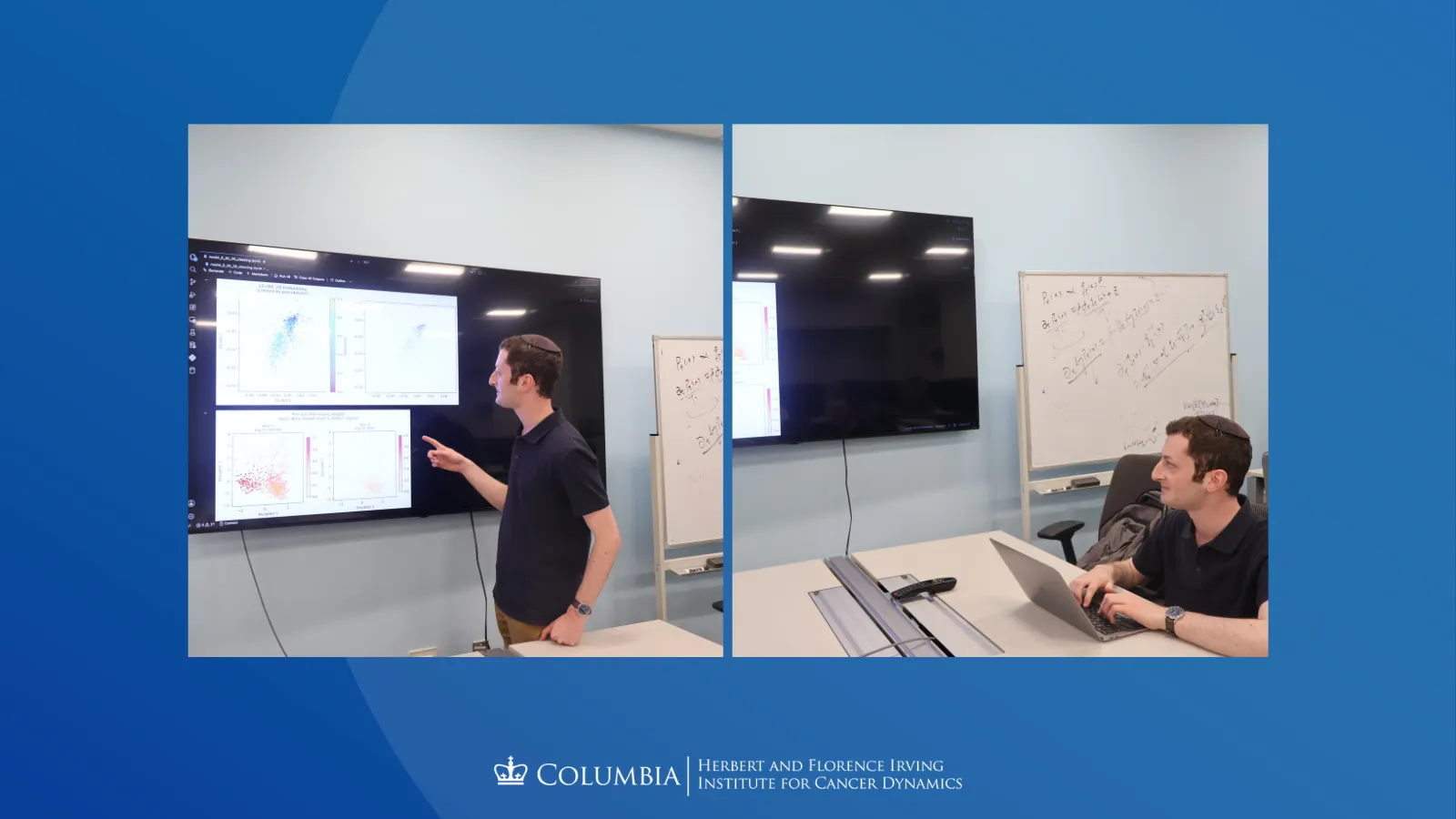
Elliot Canter is a rising senior at the Cooper Union for the Advancement of Science and Art studying Electrical Engineering with a Minor in Computer Science. He is mentored by Drs. Elham Azizi and Lingting Shi.
1. How did you get interested in science and doing research?
I enjoy thinking systematically and diving deeply into challenging problems. Research allows me to spend time understanding difficult, unsolved questions and developing new approaches to solving them.
2. What is your favorite thing about science?
I appreciate the cumulative nature of science. Researchers build on one another’s work, studying existing ideas and using them as a foundation for new discoveries.
3. What are your plans after receiving your undergraduate degree?
I’m interested in graduate school, pursuing research in machine learning, probabilistic modeling, and signal processing. I’m open to exploring research opportunities in industry as well.
4. If you could be any scientist, who would it be and why?
One scientist I especially admire is Claude Shannon. His creativity and ability to communicate new ideas helped establish the field of information theory, which I find fascinating.
5. Tell us a fun fact about yourself.
My favorite flavor of ice cream is pistachio.
6. What do you like to do when you are not in the lab?
I enjoy reading, walking, and skiing when I get the chance.
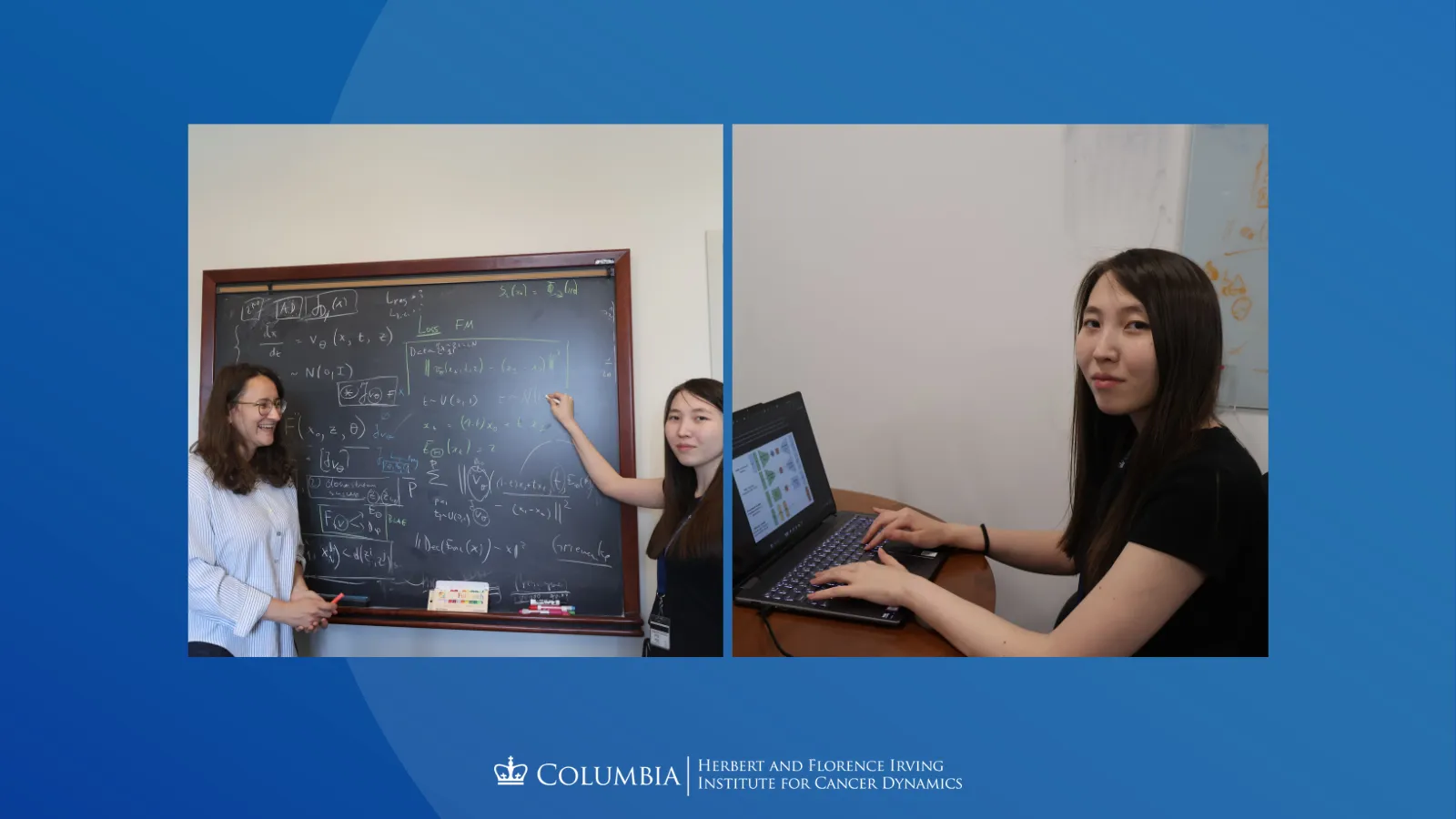
Gilyana Dorzhieva is a rising junior at the City College of New York studying Computer Science. She is mentored by Dr. Bianca Dumitrascu.
How did you get interested in science and doing research?
I got to explore mathematics and computer science during my teen years and stuck with these beautiful fields. They intervene and complement each other, allowing us to answer many challenging and intriguing questions that find application everywhere. Research is something that lets you really ponder a problem that captures you, and collaborate with other bright minds along the way. I find it challenging but incredibly rewarding, especially when enriching my intuition about complex ideas and getting to see how other people think.
What is your favorite thing about science?
You can ask a myriad of questions and each one is interesting and worth exploring. It feels incredibly rewarding to learn and discover, and even more so when it connects to something real in the world.
What are your plans after receiving your undergraduate degree?
Graduate school in Computer Science and Mathematics, and continuing to pursue research.
If you could be any scientist, who would it be and why?
Srinivasa Ramanujan. His brilliance is undeniable and full of mystery. I genuinely wonder what was going on in his mind. And I’d love to have genius ideas come to me while I sleep :)
Tell us a fun fact about yourself.
All of my notebooks are full of doodles.
What do you like to do when you are not in the lab?
Family, friends and exploring NYC.
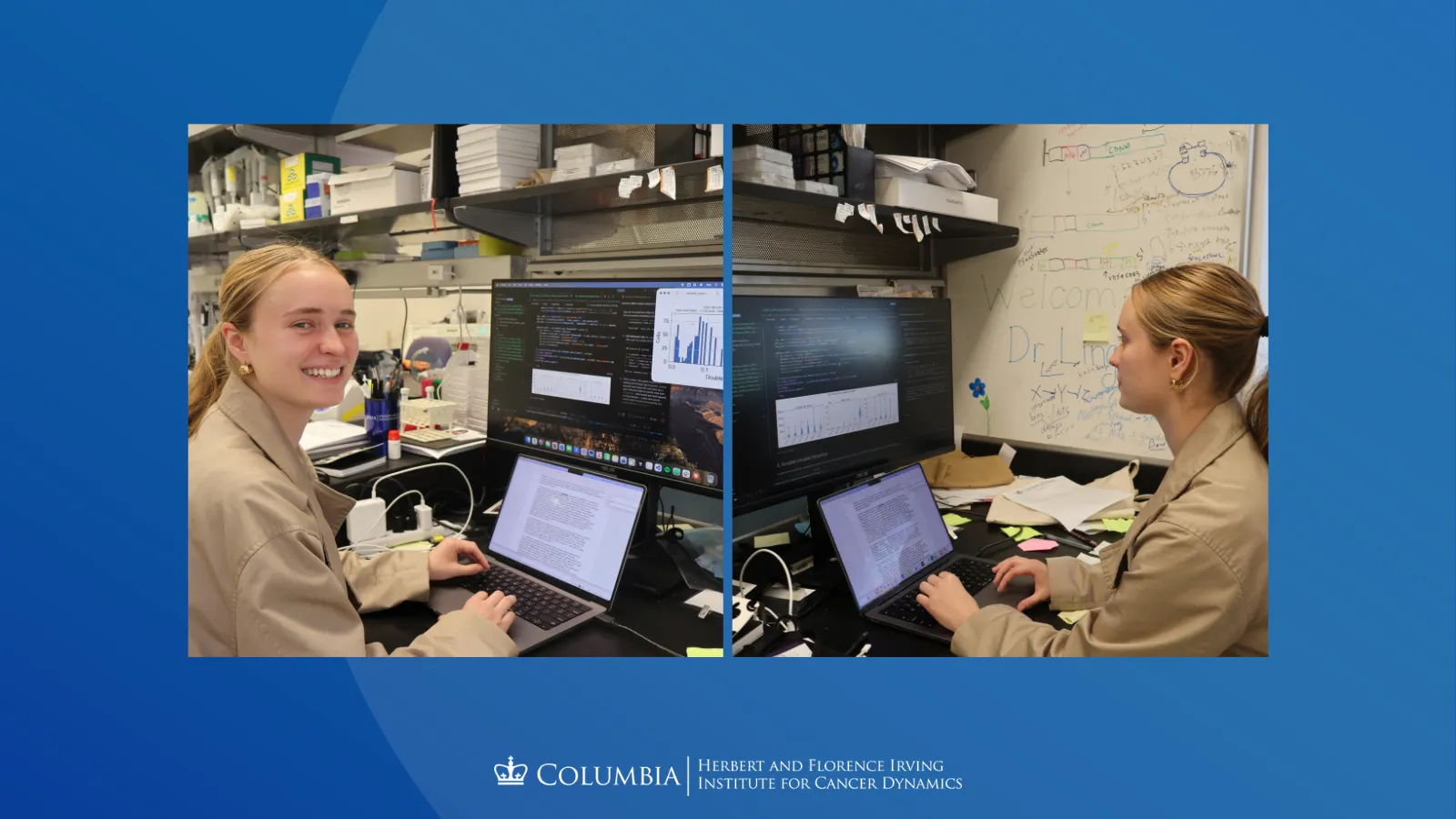
Isabelle Gelzhiser is a rising senior at Rensselaer Polytechnic Institute studying Computational Biology & Biochemistry and Biophysics (Dual Major). She is mentored by Drs. José McFaline-Figueroa and Lingting Shi.
1. How did you get interested in science and doing research?
I’ve always loved my science classes, and the nature of there always being something new to discover. I used to love reading this kids’ encyclopedia from National Geographic, my little microscope with different premade samples, and going out to watch how the ants moved across my driveway. But I knew in high school wet lab work wasn’t something I wanted to spend my life doing and ended up heading to college for Computer Science. It was my Computational Biology lab my freshmen fall where I saw research as a dream that made sense for me and I’ve loved every piece of the journey since.
2. What is your favorite thing about science?
I want to say the “Aha” moments, and how good it feels to share what you found with your peers. But honestly, I think it’s the hours you go down a rabbit hole, where your curiosity leads you to asking new questions, when you have to pull yourself away from the screen. I think that rush and focus is probably my favorite part.
3. What are your plans after receiving your undergraduate degree?
The plan right now is for PhD applications this fall. I’m heading into my senior year, and it’s good timing considering what I’ve done so far. I want to stay doing primarily bioinformatics research, but I would like to potentially incorporate more of the biochemistry/biophysics background of my studies into the work as well.
4. If you could be any scientist, who would it be and why?
Two years ago, I had a mentor, Alger Fredericks, and if/when I’m a fully fledged scientist, I’d like to be like he was. Just an excellent researcher, he had that latent curiosity, a natural sense for novel questions and great instincts. And he was also just one of the most supportive and encouraging people I’ve ever encountered. Forever grateful to have been able to learn from him.
5. Tell us a fun fact about yourself.
I play D3 soccer at Rensselaer Polytechnic Institute, and heading into my fourth and final season this year!
6. What do you like to do when you are not in the lab?
I love to read and go on long walks, especially since NYC is so easy to explore. I enjoy working out, and getting I love my spicy food and trying different cuisines.
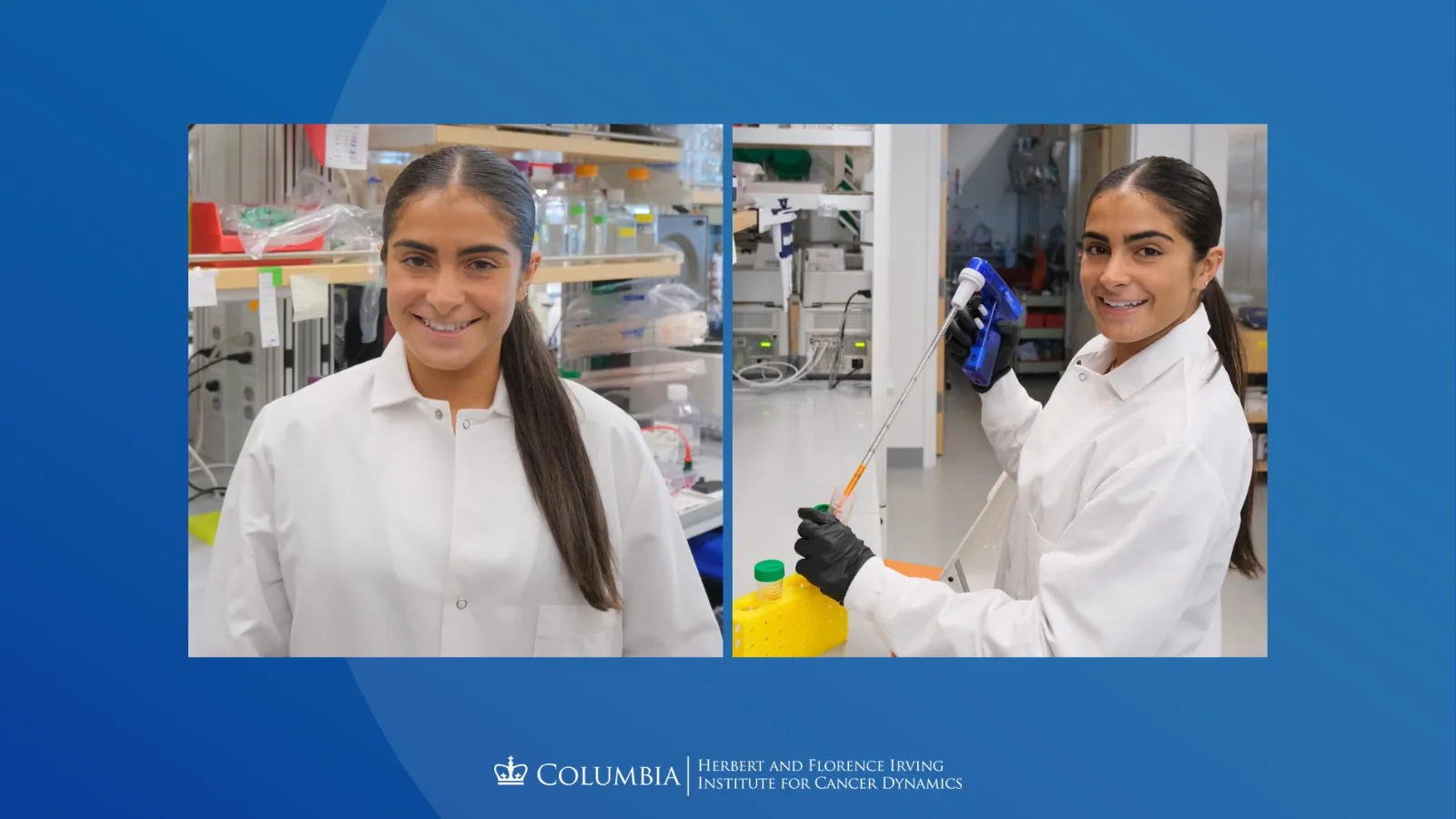
Jehanara Akhund is a rising senior at the University of Colorado Boulder studying Molecular Cellular Developmental Biology. She is mentored by Drs. Sanja Vickovic and Soobeom Lee.
1. How did you get interested in science and doing research?
When I was younger, my friends and I used to play "doctor" and make up diagnoses for each other. I was always fascinated by how the body worked, but it wasn't until I started taking biology classes that I realized how much I loved the science behind it. That curiosity eventually led me to pursue research.
2. What is your favorite thing about science?
My favorite thing about science is studying the molecular mechanisms that underlie cellular function. I enjoy understanding how interactions between molecules can ultimately influence larger biological processes in health and disease.
3. What are your plans after receiving your undergraduate degree?
I plan to pursue an MD-PhD so I can combine patient care with research and help translate scientific discoveries into advances in medicine.
4. If you could be any scientist, who would it be and why?
Jennifer Doudna. As someone who loves biochemistry, I admire how she used her foundation in biochemistry and molecular biology to help develop CRISPR-Cas9, a technology that transformed both biological research and medicine. Her work has given researchers an incredibly powerful tool to study gene function and has created new opportunities to develop therapies for a wide range of diseases.
5. Tell us a fun fact about yourself.
Outside of science, one of my favorite challenges is distance running. I completed a half marathon last year and am excited to train for another one this fall.
6. What do you like to do when you are not in the lab?
I enjoy exploring new restaurants and trying out new recipes. Cooking has become one of my favorite creative outlets, and I am always looking for inspiration from different cuisines.
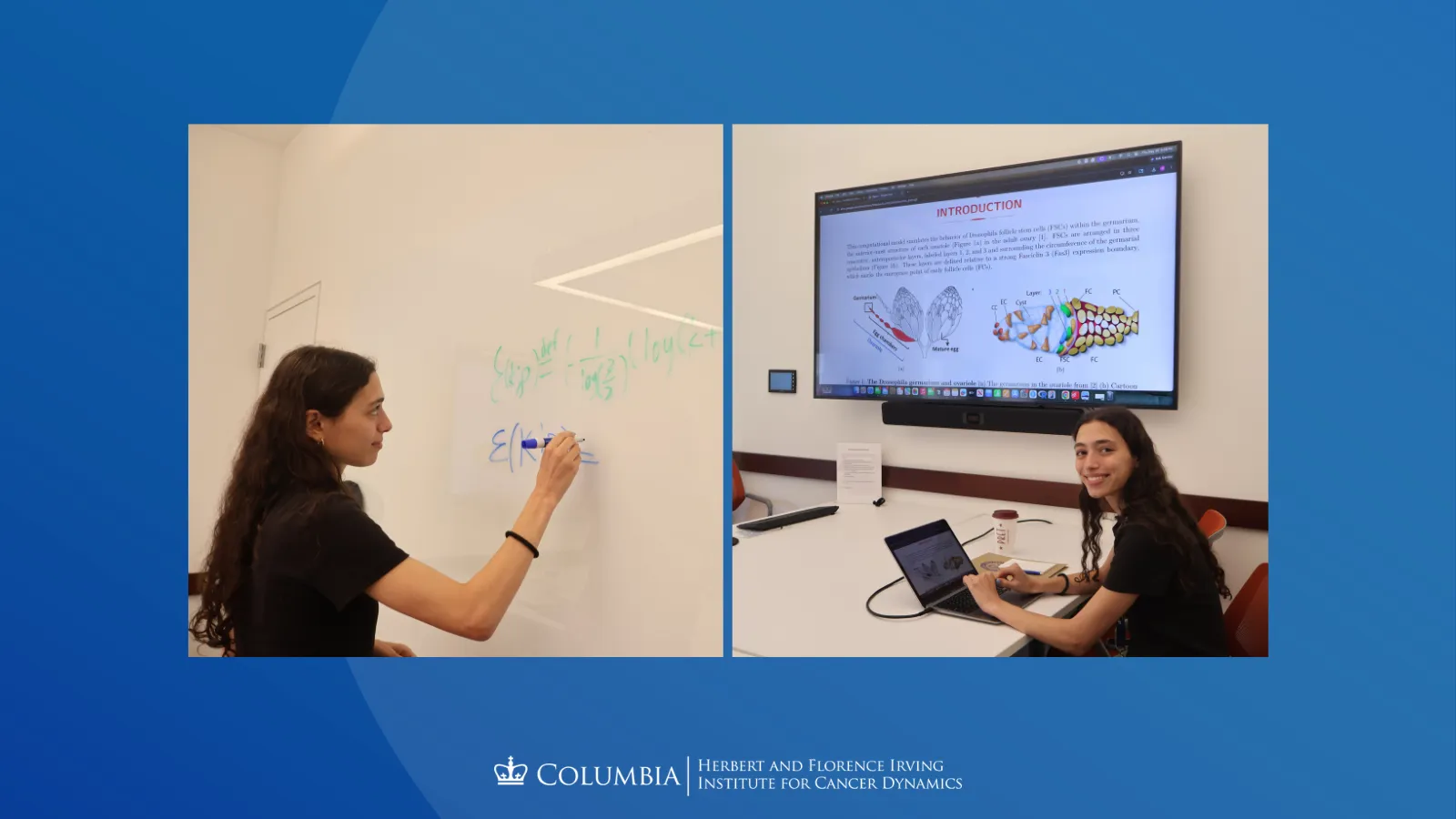
Nicole Karnoub is a rising sophomore at Wake Forest University studying Chemistry. She is mentored by IICD Director, Prof. Simon Tavaré.
1. How did you get interested in science and doing research?
I got interested in science early in elementary school. Science classes and experiments were always the most exciting parts of my day. Research was formally introduced to me later in my education, and I am interested in it as it allows me to translate the scientific concepts I learn in the classroom to real-world applications.
2. What is your favorite thing about science?
My favorite thing about science is that it is literally endless. You can ask yourself a million questions just by looking at your surroundings, having much to explore.
3. What are your plans after receiving your undergraduate degree?
After receiving my undergraduate degree, I plan on pursuing a career in healthcare, whether that be in the hands-on medical field or on the quantitative research side.
4. If you could be any scientist, who would it be and why?
If I could be any scientist, I would choose Jane C. Wright. Her groundbreaking cancer research transformed chemotherapy into a more effective treatment for patients, and as someone interested in cancer biology, I admire her dedication to improving cancer care through scientific innovation. I hope to one day make a lasting impact on the field like her.
5. Tell us a fun fact about yourself.
My fun fact is that I have an identical twin sister.
6. What do you like to do when you are not in the lab?
When I am not in the lab, I like to go on walks and runs with friends.
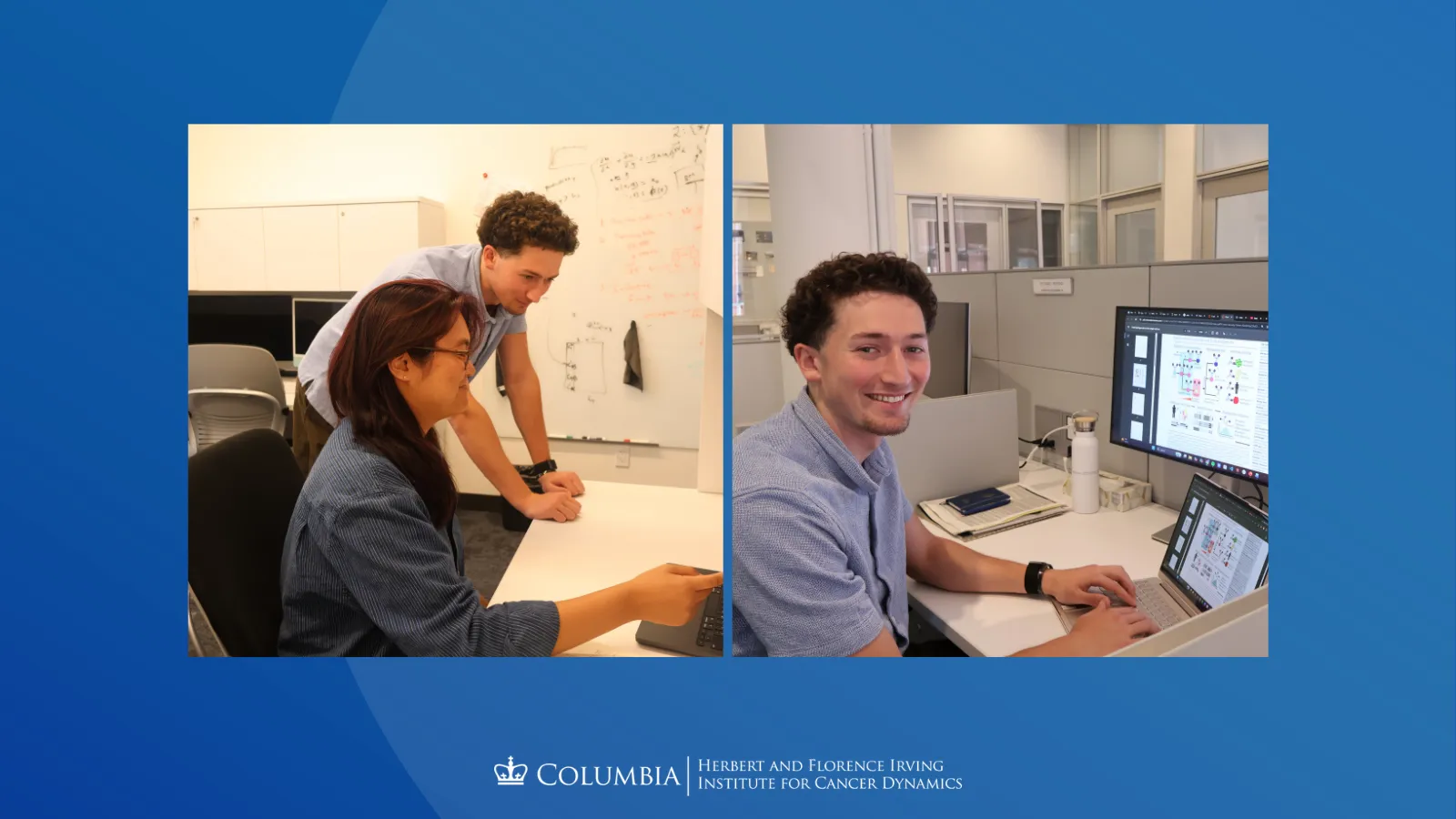
Sammy Faham is a rising junior at Pomona College studying Mathematics with a minor in Data Science. He is mentored by Dr. Sanket Rane.
1. How did you get interested in science and doing research?
My dad is a scientist, so science was always around growing up. But what made me fall in love with science and research was that rules shape the field, yet those rules are oftentimes broken.
2. What is your favorite thing about science?
I love that domain knowledge only takes you so far. There's a creative element that is just as important. Biological systems specifically are staggeringly complex, yet everything fits. I'm drawn to the creativity it takes to work within that and make sense of it.
3. What are your plans after receiving your undergraduate degree?
I hope to pursue a PhD in the intersection of computation and science. I'm drawn to computation because it feels robust and a way of thinking I can trust. I want to apply it to scientific problems, because that's where the interesting problems live for me. I don't know exactly which field yet.
4. If you could be any scientist, who would it be and why?
Leonardo da Vinci, because of how he approached things. He had no formal scientific training, but that freed him to be purely curious and to approach problems the way he wanted. He didn't see a line between understanding something and finding it beautiful. That's the kind of scientist I want to be.
5. Tell us a fun fact about yourself.
I own a record player.
6. What do you like to do when you are not in the lab?
I play soccer, work out, go on long walks with music, and spend time with friends.
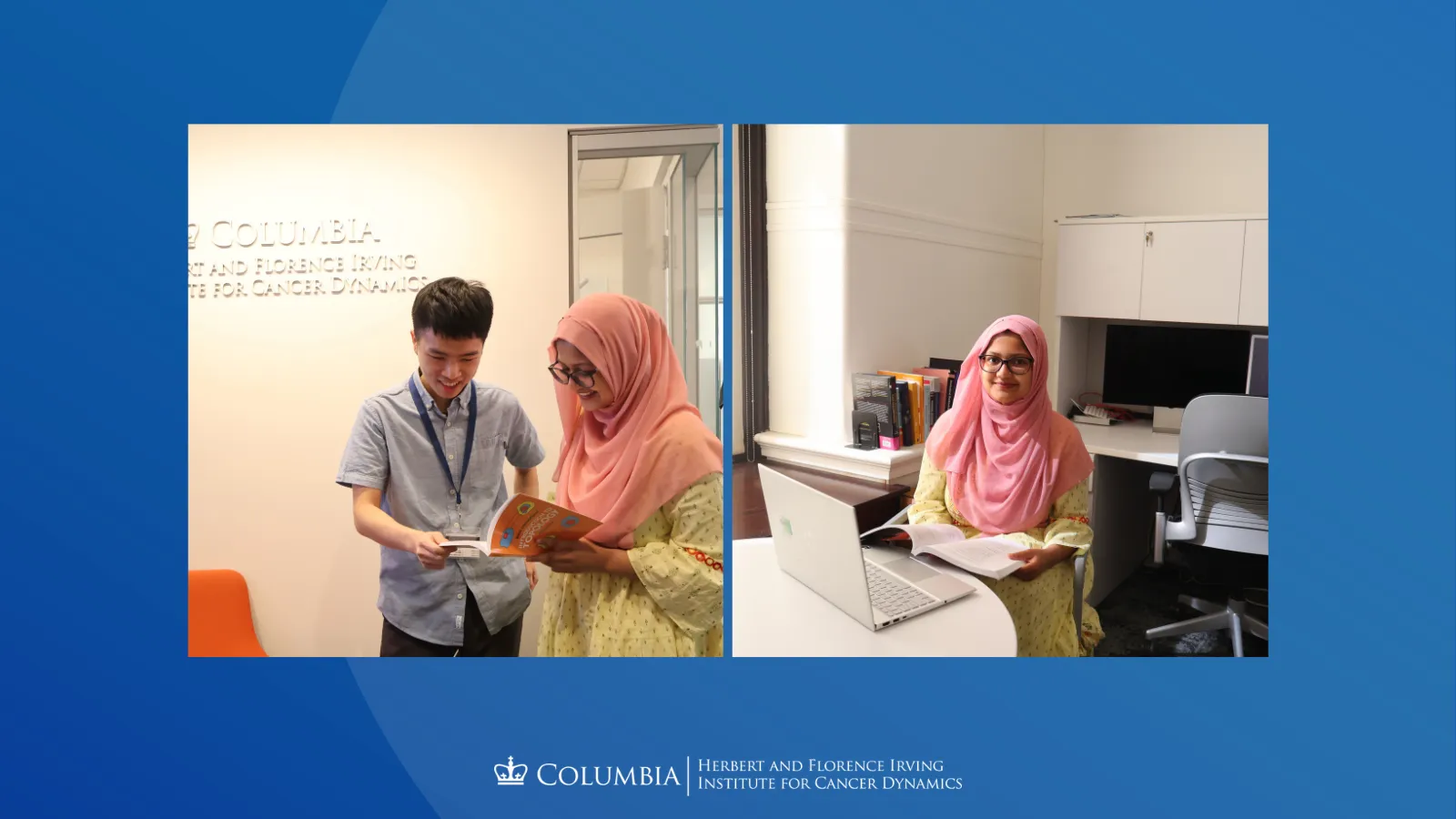
Samyah Ahmed is a senior at Baruch College studying Mathematics with a minor in Computer Science. She is mentored by Dr. Andrew Blumberg.
1. How did you get interested in science and doing research?
I took a lot of chemistry as well as a course in anatomy & physiology while in high school and I loved learning about topics regarding how chemicals interact or how cancer works. I then switched gears a bit and learned a lot of cool math and did research in mathematics throughout my sophomore year of college, which is how I became passionate about research and more specifically math and math-related research.
2. What is your favorite thing about science?
It's so broad that there's always something new to learn: I could go on endless internet rabbit holes on anything from black holes to osteoporosis. And the fact that a lot of these phenomena could be explained in simple terms but the theory behind them is very intricate and takes a lot of effort/perseverance to fully understand is captivating to me.
3. What are your plans after receiving your undergraduate degree?
Most likely pursue a PhD in mathematics.
4. If you could be any scientist, who would it be and why?
Leonhard Euler because I am interested in analytic number theory... and also just because I want to be that prolific of a mathematician.
5. Tell us a fun fact about yourself.
I've broken the same foot twice.
6. What do you like to do when you are not in the lab?
Take a long walk, go hiking, spend time with my family and friends, start a show to binge-watch, do some math, or read a book.
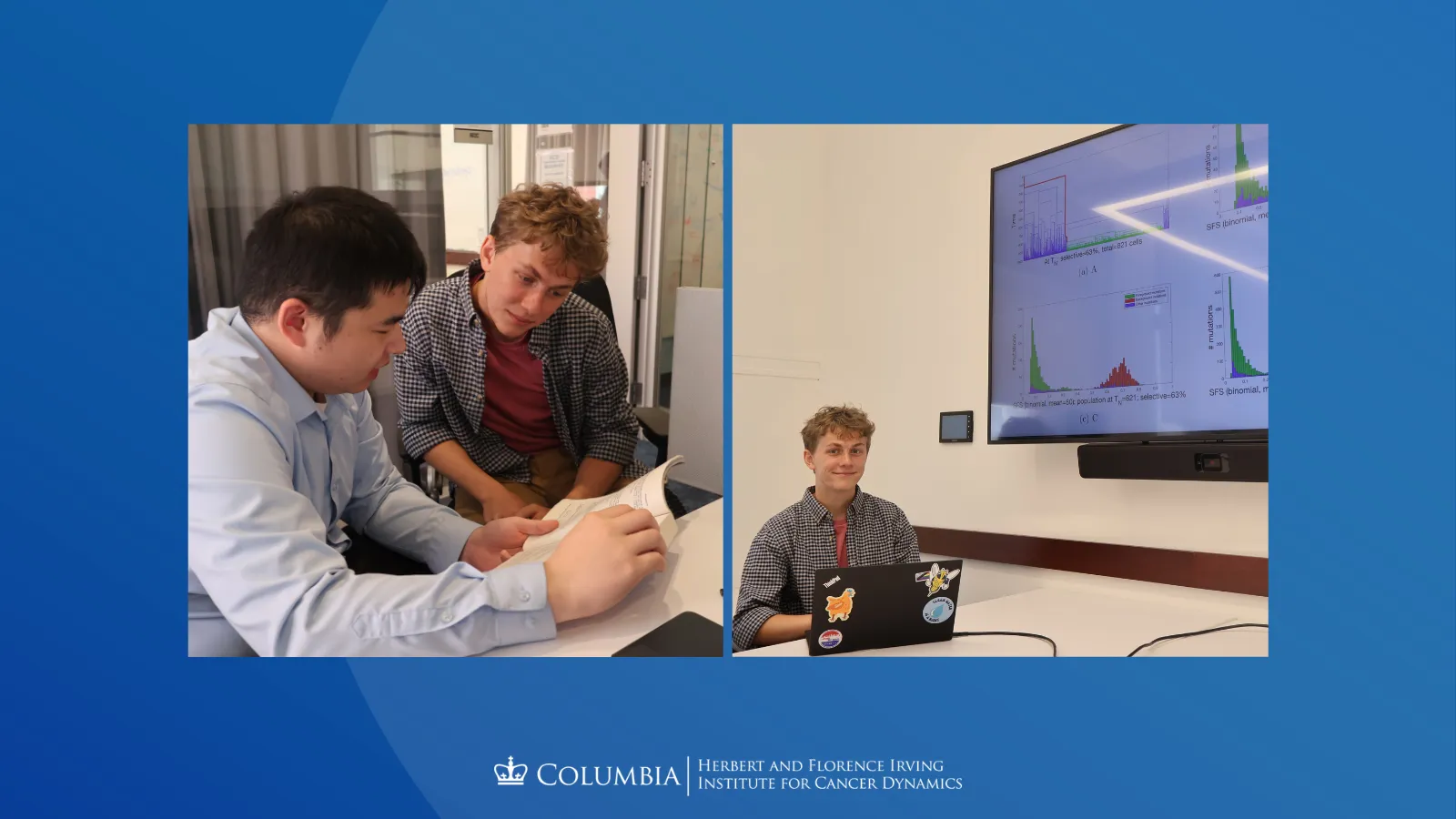
Stephen DeBenedittis is a rising sophomore at the University of Rochester studying Computer Science and Mathematics. He is mentored by Dr. Khanh Dinh.
1. How did you get interested in science and doing research?
I did a research project in high school, and really enjoyed the freedom that I had in doing research compared to doing science in class. Since then, I've gained the confidence to learn more about topics that interest me, and I've become very passionate about doing research.
2. What is your favorite thing about science?
I love how broad scientific research is. If you are interested in something, odds are that you can perform valuable research that will contribute to the field. I've also learned that scientists are very interesting people whose passions go far beyond their degree and beyond academia.
3. What are your plans after receiving your undergraduate degree?
I hope to enter grad school for computer science after earning my undergraduate degree. I would like to use my graduate degree to pursue a career in academia as a researcher and professor, hopefully at a school in New York City.
4. If you could be any scientist, who would it be and why?
If I could be any scientist, I would be Ramanujan, because of how prolific a mathematician he was. He independently formulated results in mathematics that took the work of generations of mathematicians, and the depth of his work is still being realized today.
5. Tell us a fun fact about yourself.
I can type at 120 words per minute, and I use vim, so I can edit text very quickly.
6. What do you like to do when you are not in the lab?
I like to play ultimate frisbee. I play in college, and went to nationals this spring. I'm playing around the city this summer!
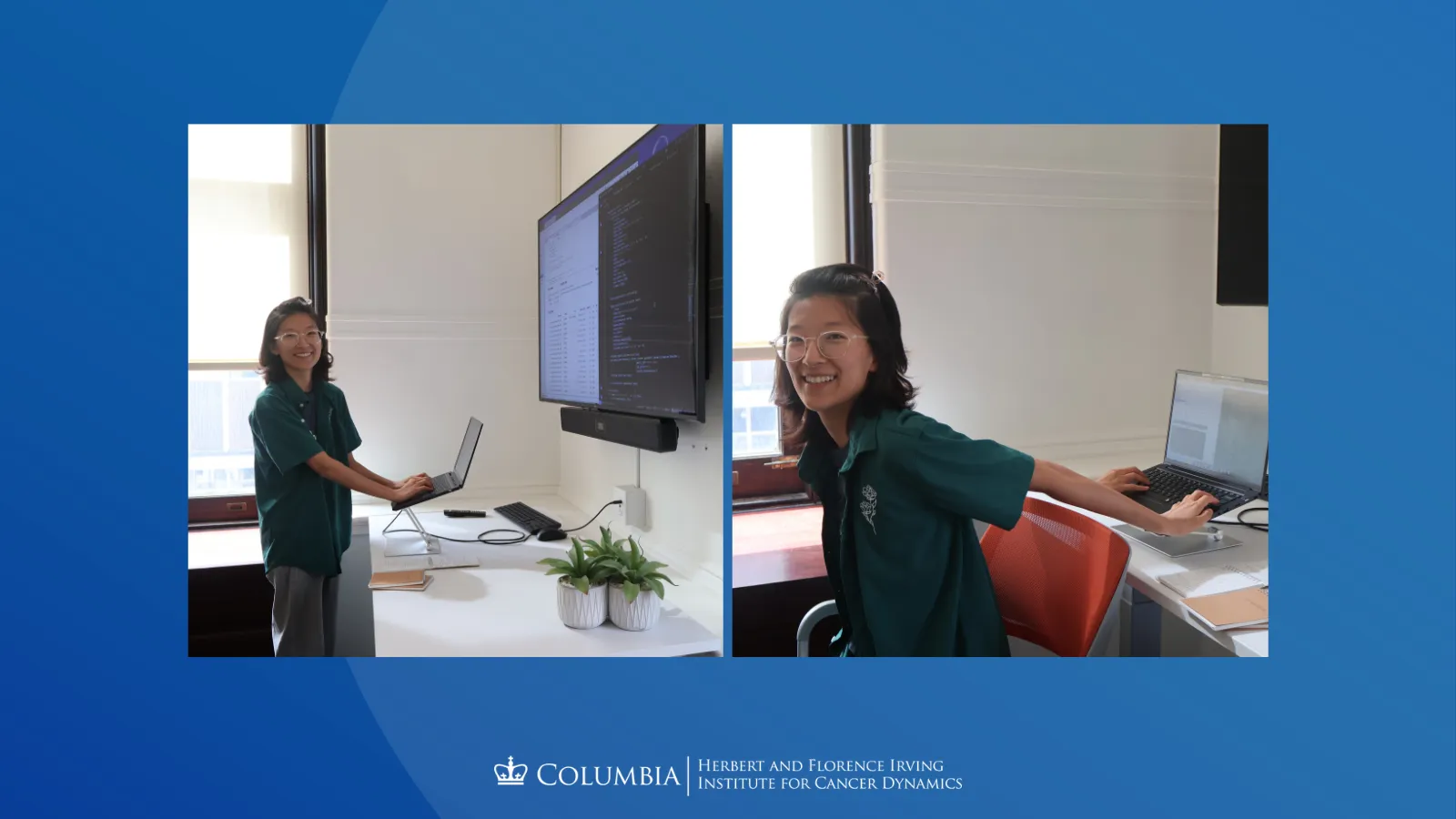
Vicky Jung is a rising senior at the University of Florida studying Data Science. She is mentored by Dr. Genevera Allen and PhD students Claire Ming-Yi He and Irene Chang.
1. How did you get interested in science and doing research?
I've been interested in math for as long as I could remember, but it wasn't until I was 10 years old that I became intrigued in science through an educational comic book (Why? Disease) which I read over and over again. In high school, I learned how to code and thought it was the coolest thing ever, and as I spent my time programming simulators such as Conway's Game of Life and disease-spread models, I became fascinated by the idea of using computational and mathematical simulations to study scientific phenomena. In college I reached out for research experience as early as I could because I wanted to get out of my comfort zone, learn more, and because I wanted to gain experience working on "real" computational science problems, which led me to join the Miranda-Quintana Lab where I worked on a hierarchical clustering algorithm (BitBIRCH) for small chemical molecules.
2. What is your favorite thing about science?
My favorite thing about science is the fact that it can be computationally, mathematically, and statistically simulated. It's a highly interdisciplinary and fast-paced field that requires one to continuously learn to keep up. There are so many things that I have yet (and want) to learn, so I have been keeping a list of them and bookmarking relevant, available textbooks I find online to tackle during breaks.
3. What are your plans after receiving your undergraduate degree?
I will get a PhD in applied mathematics and use mathematics such as fluid dynamics, optimization, and forecasting to mitigate air and water pollution. I'd also like to pick up piano or the clarinet again and learn how to sew.
4. If you could be any scientist, who would it be and why?
Rachel Carson, the author of Silent Spring. I was recommended the book by a friend, and it completely blew my mind. Rachel Carson was a marine biologist and environmentalist, and she was an instrumental influential figure in spreading awareness to the public regarding the detrimental permanent effects of chemical pesticides on wildlife and human health. I aspire to be like her.
5. Tell us a fun fact about yourself.
My birthday (April 21st) is a geometric sequence: 4, 2, 1 AND a prime number: 421.
6. What do you like to do when you are not in the lab?
Recently I've been hooked on Elden Ring Nightreign to the point that I listen to "Caligo, Miasma of the Night" OST 1Hour Loop every other day. Before NightReign, I was obsessed (and still am) with various rhythm games such as Deemo, Cytus II, and Project Sekai. I also enjoy learning traditional Chinese characters with the goal of practicing Chinese calligraphy one day, reading webtoons, and engaging in non-monetary Korean gambling, namely GoStop.